
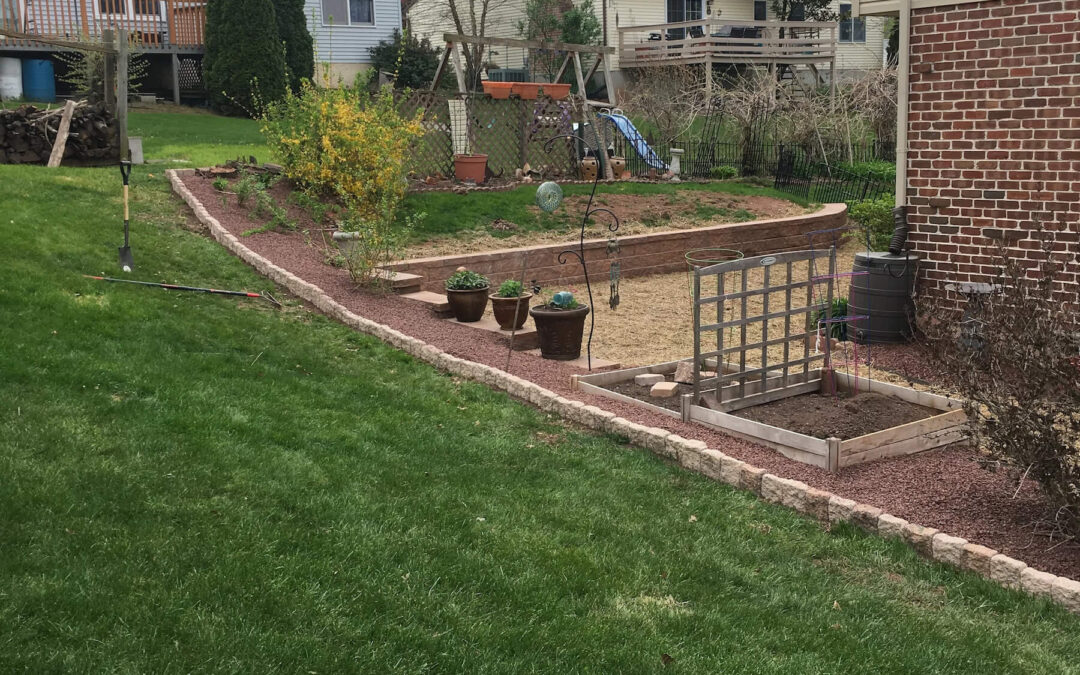
Winter leaves your yard looking tired. Fallen branches, leftover leaves, compacted soil, and salt residue are all common signs that it’s time for a spring cleanup.
Now that warm weather days are sneaking into the week, taking time to refresh your landscaping now helps your lawn grow stronger and look its best. It also prevents small issues from turning into expensive repairs later in the year.
But spring cleanup can feel overwhelming. It can be difficult tackling a task that looks so large after hiding indoors all winter. That’s why we break it down into a simple spring cleanup checklist to help you handle it!
6 Essential Spring Cleanup Task Checklist
- Remove Leaves & Debris
- Prune Trees & Shrubbery
- Prepare Your Lawn
- Refresh Mulch Beds
- Inspect Hardscaping
- Powerwash
A proper spring cleanup goes beyond simply picking up a few leaves. It prepares your entire outdoor space for healthy growth and outdoor living.
1. Remove Leaves and Debris
Winter storms often leave branches, leaves, and debris scattered across lawns and garden beds. Clearing them away allows sunlight and air to reach the soil, which helps grass and plants recover.
2. Trim Shrubs and Trees
Pruning dead or damaged branches encourages healthy growth in spring and improves the overall shape of plants and shrubs.
3. Prepare the Lawn
Early-season lawn care can include dethatching, aeration, and the first mow of the season to stimulate healthy grass growth.
4. Refresh Mulch Beds
A fresh layer of mulch helps retain moisture, regulate soil temperature, and gives landscaping beds a clean, finished appearance. Replacing old mulch can help remove potential mold or bugs that could harm your plants as it gets warmer.
5. Inspect Hardscapes
Patios, retaining walls, and walkways should be checked for cracks, shifting stones, or damage caused by winter freeze and thaw cycles. Finding this damage early gives you time to schedule repairs before peak season.
6. Power Wash
Pressure washing removes dirt, mold, and salt buildup from outdoor surfaces, making patios and walkways look like new again.
Expert Advice from Halter Landscaping
“Spring cleanup is about more than making your yard look nice. Refreshing your landscape early in the season helps it grow stronger all year long. It sets the foundation for healthier plants.”
Chad, Halter Landscaping
Spring Cleanup Prevents Bigger Landscaping Problems
Skipping spring cleanup may lead to several problems that affect the health and appearance of your yard.
- Leaves and debris trap moisture against the lawn, increasing the risk of mold and lawn disease.
- Overgrown shrubs may block sunlight from reaching smaller plants, slowing their growth.
- Patio and walkway damage may develop into bigger issues, which can be harder to fix in summer when schedules are full.
- Stray debris like branches could blow around during storms, causing damage.
- Proper garden beds and grass treatment prevents weeds from establishing themselves before your plants can grow back from winter.
By addressing these issues early, you can protect your landscape and enjoy a cleaner, safer space throughout the warmer months.
Ready to Get Your Yard Spring-Ready?
Spring landscaping schedules fill up quickly. If you want help with spring cleanup, lawn maintenance, power washing, or hardscaping, the team at Halter Landscaping can help.
FAQs
When should spring cleanup begin?
Most homeowners start spring cleanup once temperatures consistently stay above freezing and snow has melted. Early spring is usually the best time.
What happens if you skip spring cleanup?
Skipping it can lead to lawn disease, poor plant growth, and messy landscaping beds. It can also allow weeds and pests to take hold early in the season.
How often should mulch be replaced?
Most landscaping beds benefit from fresh mulch once a year, usually during spring cleanup.