
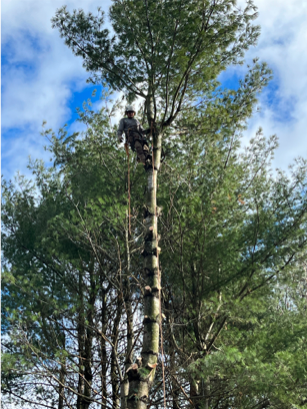
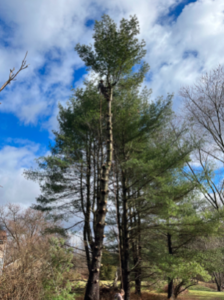
Waiting to remove that problematic tree in spring may cost you more than you’d think. Surprisingly, winter is often the smartest time to take action before damage, safety risks, or costly repairs show up in spring.
Why is Winter Ideal?
Winter is ideal for tree removal because trees are dormant, the ground is firmer, and crews can clearly see a tree’s structure. Removing trees during colder months often causes less disruption to lawns and landscapes while reducing safety risks from weakened or damaged trees before spring storms arrive.
Dormant Trees are Easier to Remove
During winter, trees enter dormancy. That means growth has paused, leaves are gone, and stress on surrounding plants is reduced. Without foliage in the way, it’s easier for professionals to spot problems and remove the tree. Dormancy also means the tree experiences less stress during the removal process.
Firmer Ground Means Less Damage
Frozen or firmer ground also plays a role. Heavy equipment used for tree removal can move more efficiently, often causing less rutting or soil compaction than during wet spring conditions. For homeowners and property managers, that translates to fewer repairs once the job is complete. Additionally, the removed tree and equipment are less likely to damage other plants because they too are dormant.
Reduces Safety Risks
There’s also a safety factor. Trees weakened by disease, age, or previous storm damage, are more vulnerable to snow, ice, and winter winds. Addressing those risks early helps protect buildings, vehicles, sidewalks, and anyone who spends time on the property.
At Halter Landscaping, winter tree work is approached as part of overall property care, not just a standalone service. It’s about preventing problems rather than reacting to them later.
Winter vs. Spring Tree Removal:
| Factor | Winter Tree Removal | Spring Tree Removal |
| Tree Condition | Dormant, no leaves | Active growth |
| Visibility | Clear structure | Leaves can hide damage |
| Ground Conditions | Often firmer | Frequently soft or muddy |
| Landscape Impact | Typically lower | Higher risk of turf damage |
| Scheduling | More flexible | High seasonal demand |
This comparison shows why many property owners choose to act before spring arrives rather than waiting for problems to escalate.
Common Concerns About Winter Tree Removal
Some homeowners worry that cold weather makes tree removal unsafe or harmful. In reality, professional crews are trained to work in winter conditions using proper equipment and planning. Others assume trees should only be removed when they’re visibly dead, but many healthy-looking trees may still pose structural risks that are easier to diagnose in winter.
Another concern is timing. Waiting until spring often means longer wait times, higher demand, and greater risk of storm-related damage before work can be scheduled.
FAQs
Is it safe to remove trees in winter?
Yes. Professional crews are trained to work safely in cold conditions, and dormant trees often make the process more controlled.
Will winter tree removal damage my lawn?
In many cases, winter conditions reduce lawn damage because the ground is firmer than during wet seasons.
How do I know if a tree should be removed?
Signs include leaning trunks, visible cracks, dead branches, decay, or previous storm damage. A professional evaluation provides clarity.
Can trees be trimmed instead of removed in winter?
Yes. Winter is also an excellent time for pruning, depending on the tree’s condition and location.
Should I wait until spring to decide?
Waiting can increase risk. Addressing issues in winter often prevents emergencies and protects property before storms return.
A smart step for your property this winter
Winter tree removal is about making informed decisions that protect your home, your investment, and the people who use the property every day.
Halter Landscaping offers winter tree evaluations to help property owners understand what needs attention now and what can wait. A straightforward assessment today can prevent costly surprises tomorrow. Schedule a winter tree assessment and take a proactive step toward safer, healthier landscaping.